Black Flakes Are Falling into My Fireplace—Is It Creosote, and Is It Safe to Burn?
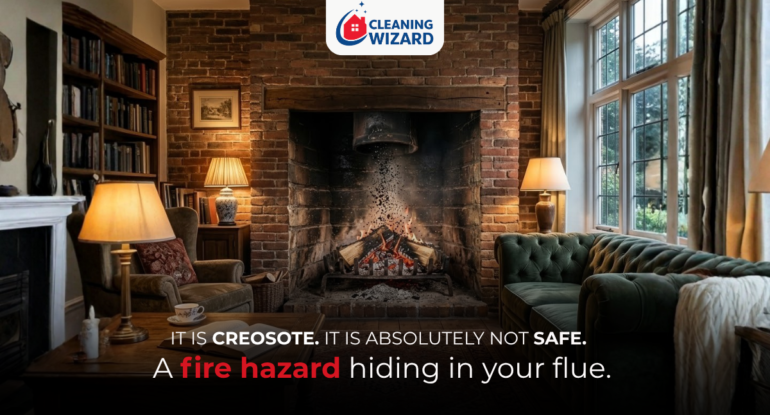
Do not light another fire. If black flakes are falling down into your firebox, that is advanced creosote buildup, and it is absolutely not safe to burn wood in your fireplace. Those dark, crusty flakes mean your chimney flue is heavily coated in highly flammable tar.
Striking a match today can easily spark a devastating flue fire. The heat will ignite those flakes, shooting flames straight up into your roof space. Shut the glass doors, step away, and let a certified sweep look inside with a camera. House fires peak every winter simply because people brush off these small black flakes. Your chimney is choked and crying out for help. You have to scrape out the gunk before you enjoy another cozy evening by the fire.
What Exactly Are These Black Flakes?
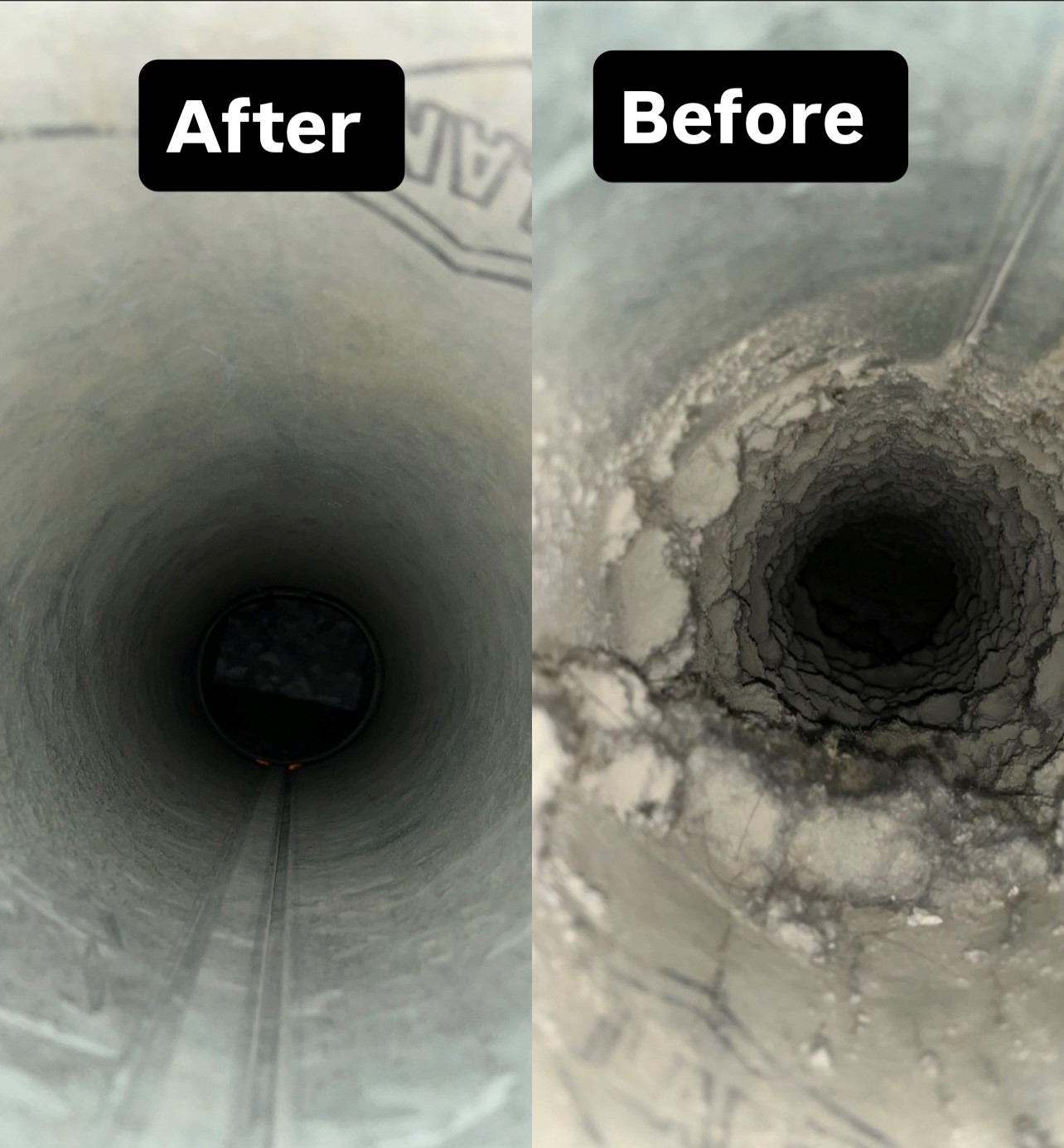
When you burn wood, the fire releases smoke, water vapor, and unburned wood particles. As this hot smoke travels up your cold chimney, it cools down quickly. Condensation happens, and a sticky residue sticks to the inner walls of your flue. This dark, sticky residue is called creosote.
Over time, this sticky tar bakes in the heat of your fires. It turns into a hard, crusty, or flaky substance. When the buildup gets too heavy, pieces break off and fall down into your fireplace.
Did you know? Creosote forms in three distinct stages. Stage one is a light, dusty soot that is easy to brush away. Stage two is a black, crunchy tar that requires hard scraping. Stage three is a thick, shiny, highly flammable glaze that requires specialized chemical treatments to remove safely.
Why You Must Never Light a Fire Right Now
Creosote is basically concentrated fuel. It is unburned wood energy that got trapped in your chimney. When you light a normal fire, the heat rises. If that heat touches stage-two or stage-three creosote, the tar itself will catch on fire.
Here is exactly what happens during a chimney fire:
- Extreme Temperatures: A chimney fire can reach 2,000 degrees Fahrenheit in a matter of minutes.
- Structural Damage: This intense heat easily melts mortar, cracks clay flue tiles, and warps metal chimney liners.
- House Fire Spread: Once the flue cracks, the flames easily escape into the wood framing and drywall inside your home’s walls.
Plenty of homeowners go through small chimney fires without realizing it happened. You might just hear a weird popping sound or a low roar like a freight train on your roof. If you are already seeing black flakes in the grate, your chimney might already have heat damage.
Clear Warning Signs Your Chimney Needs Help
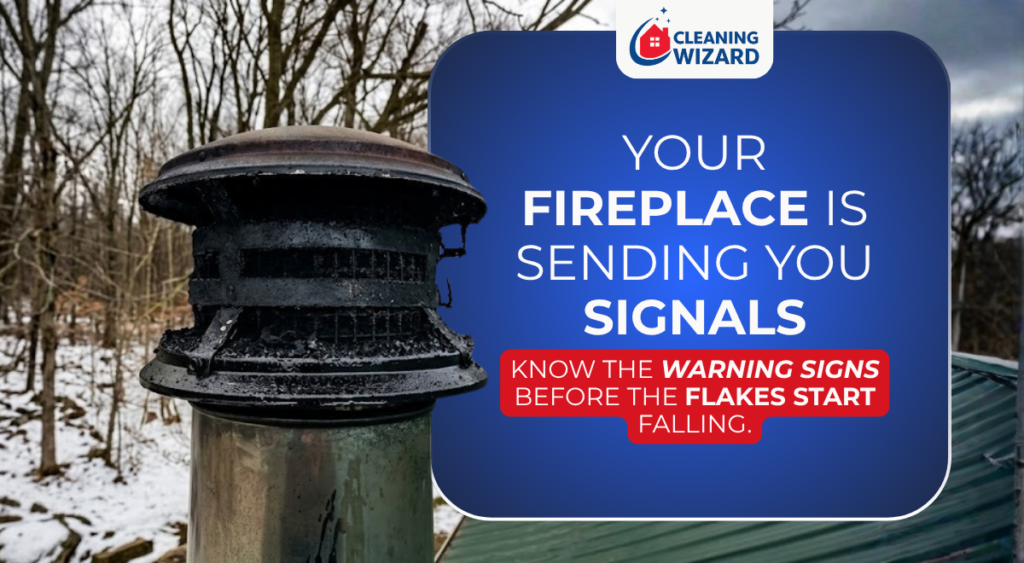
Falling black flakes are the most obvious red flag. However, your fireplace will usually give you other warning signs before the flakes start dropping. You should always pay attention to how your fires burn.
Look out for these common warning signs:
- Strong campfire smells coming from the fireplace, even when it is not in use.
- Smoke blowing back into your living room instead of drafting up the chimney.
- Black, oily stains appearing on the brick or stone above your fireplace opening.
- A thick, fuzzy black coating on the fireplace damper when you open it.
If you notice any of these issues, you need to book chimney cleaning in Chicago immediately. Continuing to use a dirty chimney is simply not worth the massive safety risk.
How Much Does Professional Maintenance Cost?
Many homeowners put off regular maintenance because they worry about the bill. However, paying for a routine sweep is drastically cheaper than rebuilding a house after a fire. When looking at the chimney cleaning cost in Chicagoland, the price is actually very affordable.
The exact cost depends on the current condition of your flue. If you just need a standard level-one sweep for light soot, the price stays very low. If the technician has to deal with thick, glazed stage-three creosote, the job takes much longer and requires specialized tools, which increases the price.
Your best defense against high bills is annual maintenance. Having a professional clear out the light soot every single fall prevents the heavy, expensive tar from ever forming in the first place. You will get the most accurate chimney cleaning cost in Chicago by scheduling an inspection before the busy winter season starts.
Quick Tips to Reduce Creosote Buildup in the Future
Once your chimney is clean, you want to keep it that way. You can drastically reduce how much creosote builds up by changing how you build your fires. Small changes make a massive difference in your flue health.
Follow these simple rules for safer fires:
- Only burn fully seasoned, dry firewood. Wet wood creates massive amounts of smoke and tar.
- Build hot, fast fires instead of slow, smoldering ones. Hot fires push the smoke out before it can stick to the walls.
- Never burn trash, cardboard, or glossy magazine paper in your fireplace.
- Open the damper completely before lighting the fire to ensure maximum airflow.
Where We Provide Expert Sweeping Services
When you search for chimney cleaning near me, you need a trusted local team that can reach your house quickly. You want certified professionals who understand the specific weather challenges of the Midwest. Heavy snow and freezing temperatures take a serious toll on local masonry.
We proudly provide top-tier chimney cleaning in Chicago and all across the surrounding suburbs. Our expert technicians travel directly to your door to make your home safe again.
We actively serve homes in Chicago, Naperville, Schaumburg, Elmhurst, Evanston, Hinsdale, Romeoville, Oakbrook, Highland Park, Crystal Lake, and Milwaukee. No matter where you live in the region, our team is ready to clear out that dangerous creosote.
Key Takeaways
Protecting your home is your top priority. Keep these facts in mind the next time you use your fireplace.
- Black flakes falling down the chimney are pieces of highly flammable creosote.
- You must stop burning wood immediately if you see these dark flakes.
- Creosote buildup is the primary cause of dangerous chimney fires.
- Burning dry wood and having hot fires will minimize future tar buildup.
- Annual inspections are the only way to know if your flue is actually safe to use.
Let Cleaning Wizard Make Your Fireplace Safe Again
At Cleaning Wizard, we know how unsettling it is to find black crust falling into your fireplace. We are here to get it cleaned out fast. We provide dependable Chicago fireplace and chimney cleaning that homeowners trust year after year. Our technicians use heavy-duty brushes and commercial HEPA vacuums to pull every scrap of soot and tar out of your home. We lay down runners, seal the hearth, and leave your living room spotless.
Do not risk a house fire this winter. If you are searching online for reliable chimney cleaning near me, give Cleaning Wizard a call today. We will set you up with an honest quote and make sure your hearth is safe and ready for the cold months ahead.
People Also Ask Us
What happens if I ignore the black flakes and start a fire anyway?
Lighting a fire when you have black flakes can easily start a massive chimney fire. The heat from your normal fire will ignite the creosote flakes, sending 2,000-degree flames up your chimney and potentially destroying your home.
Can I clean the black creosote flakes myself?
No, you should not try to clean stage-two or stage-three creosote yourself. Standard hardware store brushes cannot break down the hard tar. You need professional-grade equipment and chemical treatments to remove it without damaging your flue tiles.
Do creosote sweeping logs actually work to clean the chimney?
Sweeping logs can help dry out sticky creosote, making it flaky and easier to remove. However, they do not actually remove the buildup from the walls. You still need a professional Chicago fireplace and chimney cleaning to physically brush the dangerous material out.
How often should I have my chimney cleaned?
The National Fire Protection Association recommends having your chimney inspected and cleaned at least once a year. If you use your fireplace every single day during the winter, you might need a cleaning twice a year to stay safe.
How long does a professional chimney cleaning take?
A standard sweeping appointment usually takes between 45 minutes and an hour. If the technician finds heavy stage-three creosote glazing, the process will take longer to safely break down and remove the hard tar.

Leave A Comment
You must be <a href="https://cleaningwizard.org/wp-login.php?redirect_to=https%3A%2F%2Fcleaningwizard.org%2F2026%2F09%2F03%2Fblack-flakes-are-falling-into-my-fireplace-is-it-creosote-and-is-it-safe-to-burn%2F">logged in</a> to post a comment.