
7 Warning Signs Your Dryer Vent Is Not Working Efficiently in Chicago Homes
Laundry issues usually build slowly. One week, a load needs extra time. A few days later, the room feels warmer than normal or the towels still feel damp after a full cycle. In many Chicago homes, those early shifts point to restricted airflow in the vent line, not just an aging appliance.
That matters because a struggling dryer does more than waste time. It can raise energy use, leave moisture where it should not be and create conditions that deserve attention sooner rather than later. Anyone researching dryer vent cleaning Chicago services is often trying to solve exactly that problem before it becomes expensive or risky.
Why Dryer Vent Efficiency Matters in Chicago Homes
Chicago weather puts real pressure on everyday laundry routines. Cold months bring more indoor drying, heavier fabrics, and frequent back to back loads. Add ordinary household dust and lint to the mix and a vent line can lose efficiency little by little without much warning.
A dryer needs clear airflow as much as it needs heat. Hot air has to move out, carrying moisture and fine debris along with it. Once that path narrows, the machine runs longer, the room traps more warmth and clothing may not dry as cleanly or quickly as it should. Over time, those small inconveniences can turn into higher bills and avoidable wear that calls for dryer vent cleaning Chicago.
7 Warning Signs Your Dryer Vent Is Losing Efficiency
1. Clothes Take More Than One Cycle to Dry
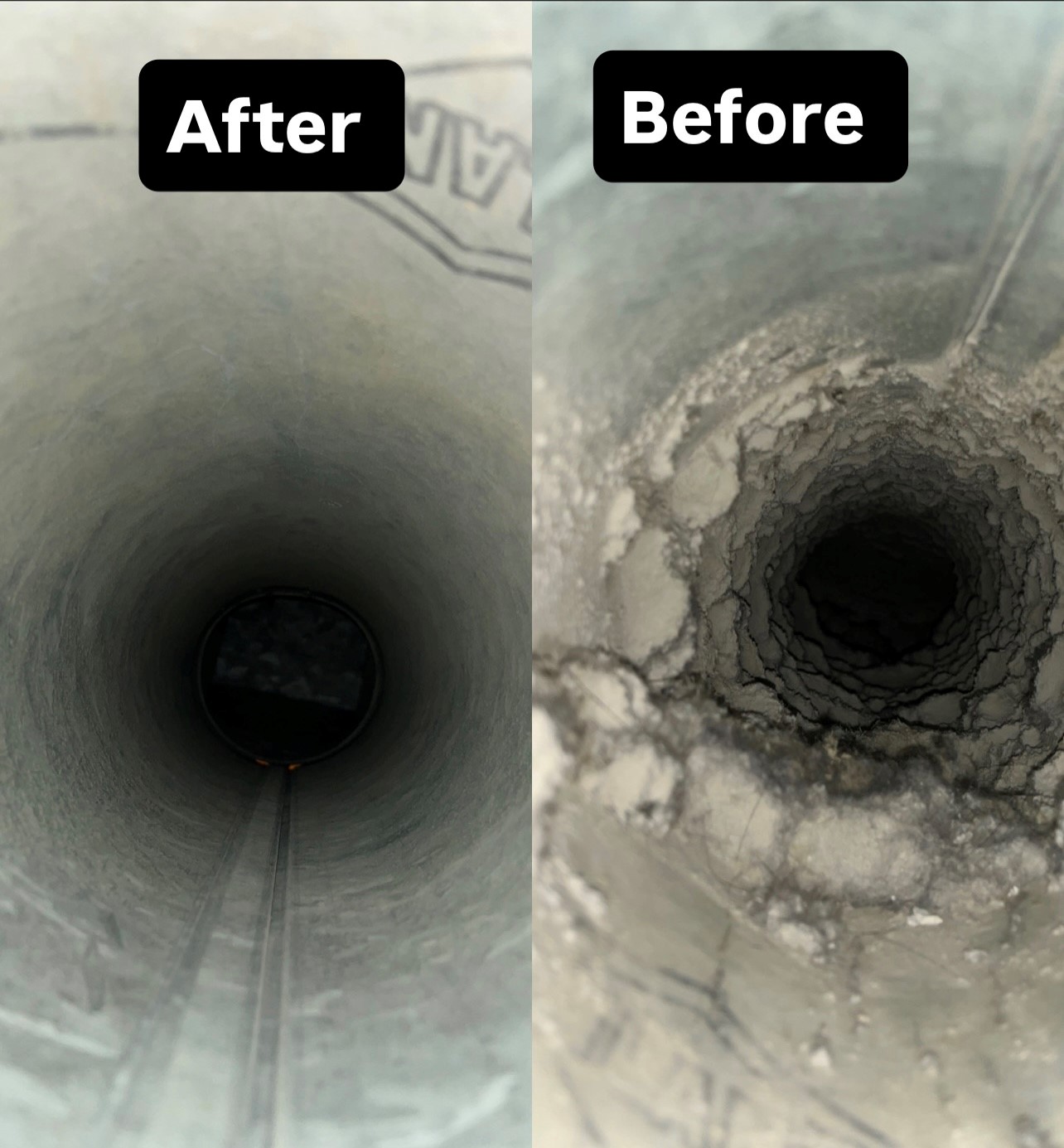
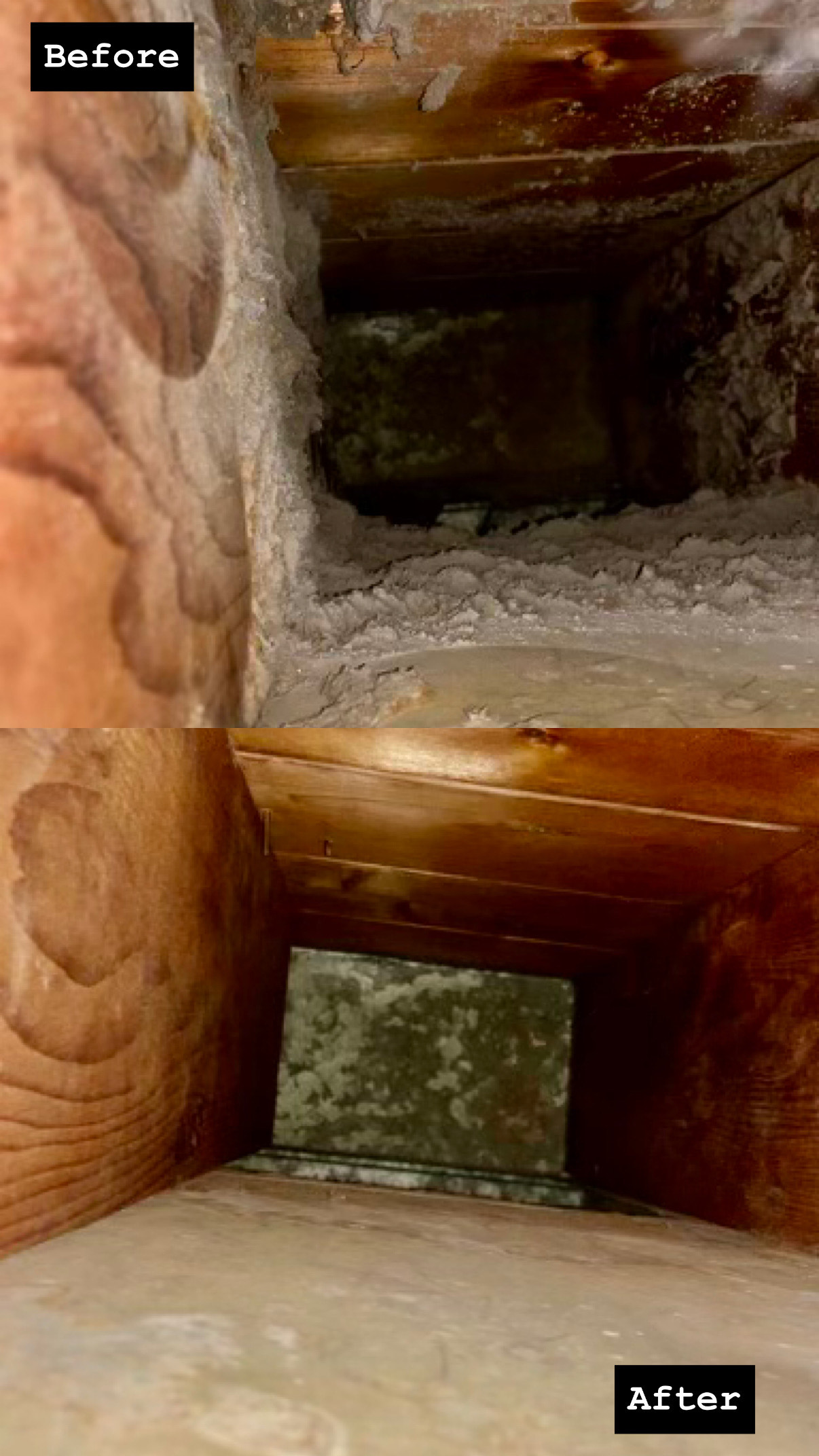
Long drying times are often the first clue. A blocked or partially clogged vent makes it harder for moist air to escape, which leaves clothing warm but still damp. Many homeowners blame the dryer first, even though airflow restriction is frequently the real issue.
Extra cycles cost more than patience. They add strain to the appliance, increase utility use, and can shorten the life of fabrics that keep getting reheated.
2. The Laundry Room Feels Hot, Humid or Stuffy
A laundry room should not feel like trapped summer air after one normal load. Heat and moisture belong outside, not hanging around indoors. Once that hot air stays in the room, comfort drops quickly, especially in smaller homes, condos, or multifamily buildings.
Chicago properties often stay closed up during colder months, which makes indoor heat buildup easier to notice. A vent check can reveal lint blockage, disconnected sections, or an outside vent that is not opening properly.
3. You Notice a Burning Smell, Dusty Odor or Excess Lint
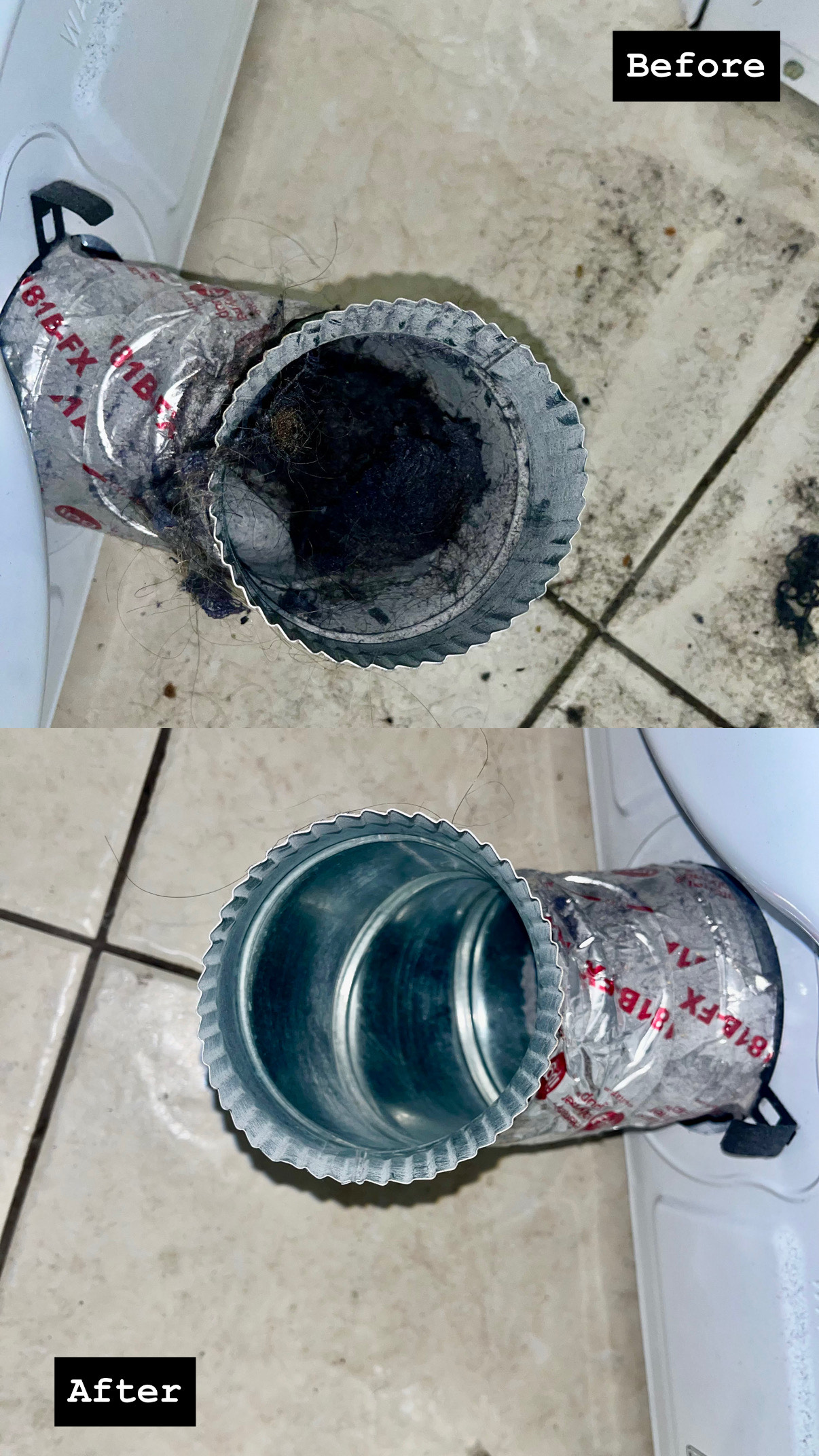
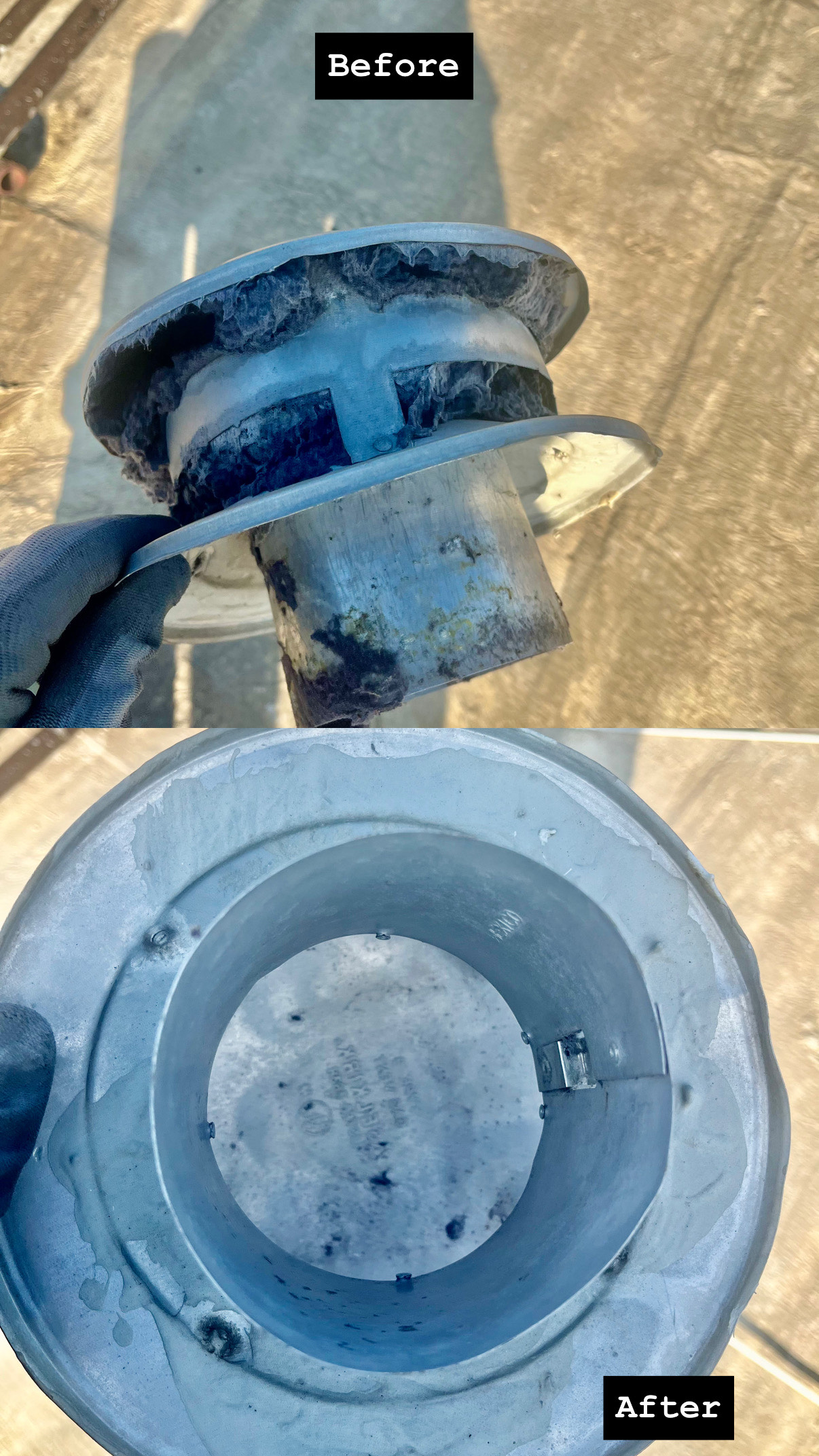
A faint burning smell is never a detail to ignore. Dusty odors and visible lint around the dryer can signal overheating or a clogged vent path. Lint is highly flammable, which is why this warning sign deserves quick attention.
Many people start thinking about hiring the best Chicago company for dryer vent cleaning before it becomes a fire hazard after noticing a smell like that. That reaction makes sense. Early action is usually the wiser move.
4. The Exterior Vent Flap Barely Opens, or the Airflow Outside Feels Weak
A simple outdoor check can tell you quite a lot. Turn the dryer on and look at the exterior vent flap. Strong airflow should push it open easily. Weak movement or a flap that stays mostly shut may point to lint buildup, debris at the outlet, or a damaged vent run.
Older homes in Chicago sometimes have longer vent paths or tighter installations. Those layouts can hide airflow problems until performance drops enough to become obvious.
5. Clothes Still Feel Damp or Smell Musty After Drying
Warm laundry is not always fully dry laundry. Moisture can stay trapped in the system, especially during heavier loads like bedding, jeans, or towels. That often leaves a musty smell behind, even though the cycle finished.
Repeated drying may seem like a simple fix, but it only adds more heat and more wear. The underlying issue usually remains in place until the vent is cleaned or inspected.
6. Lint Keeps Collecting Around the Dryer Connection
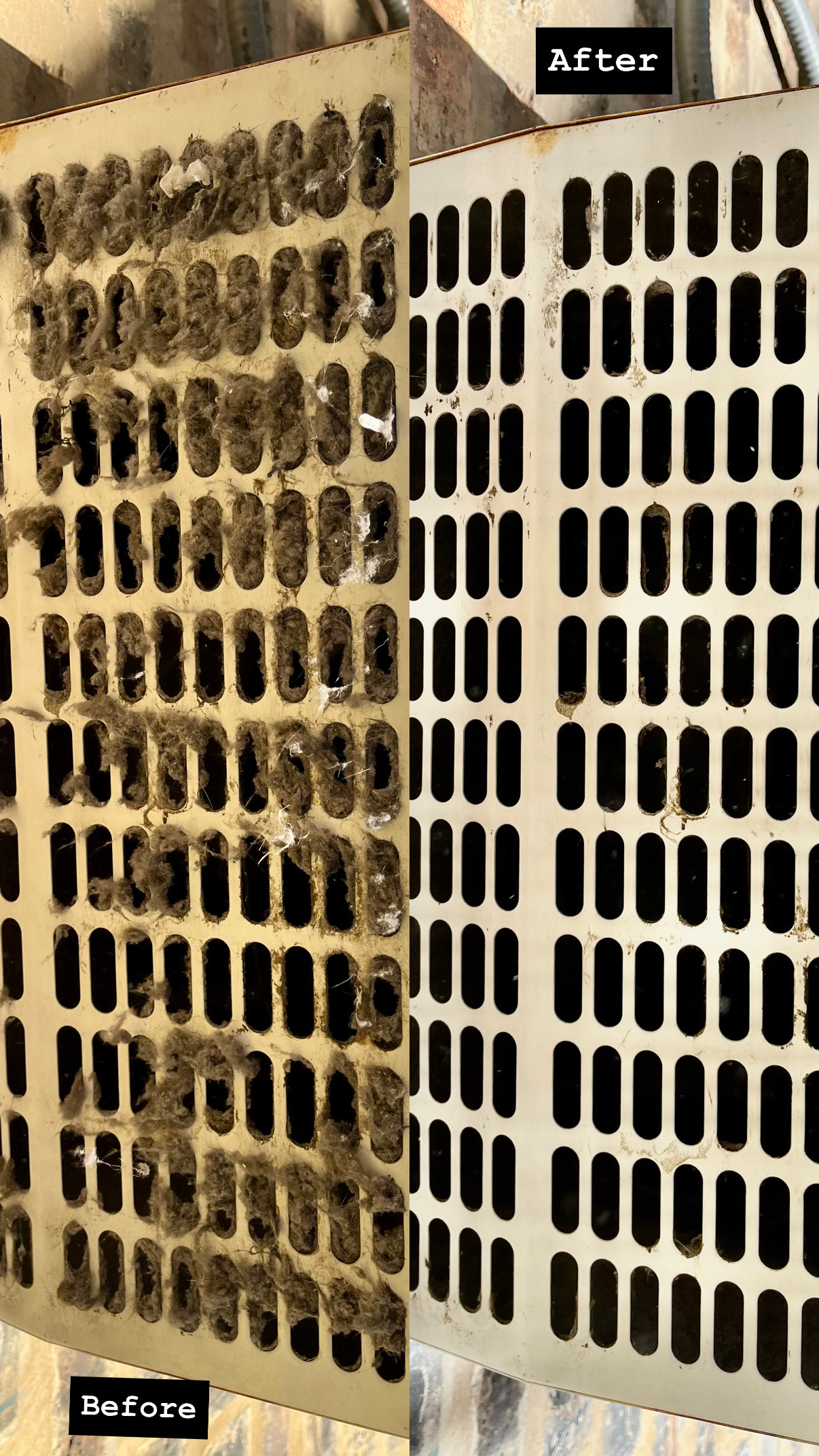
Lint outside the trap should raise a flag. Buildup behind the dryer or around the hose connection can mean airflow is pushing debris into the wrong places. Sometimes the connection has a leak. In other cases, pressure is building behind a clog deeper in the line.
Cleaning the visible lint helps the room look better, but it does not solve the source of the problem. The vent route still needs attention.
7. Energy Bills Rise Even Though Laundry Habits Stay the Same
Higher utility costs can be one of the clearest practical signs. A dryer that works harder to finish regular loads will consume more power week after week. That increase may look minor at first, then become harder to ignore over a season.
Many homeowners end up comparing preventive services against the cost of waiting. In most cases, regular maintenance is the less stressful option.
“Is Your Property Showing One Or More of These Warning Signs?”
Limited-Time Spring Deal: Book now and get $100 off Air Duct Cleaning or combo Air Duct + Dryer Vent Cleaning services for the next 30 days.
Request a free estimate from Cleaning Wizard in Chicago today!
What These Signs Mean for Homeowners and Property Managers
For Single-Family Homes – Efficiency Loss Often Starts Small
Most vent problems begin quietly. A load takes longer. The room gets warmer. Lint appears where it did not before. Families doing frequent laundry through winter may not connect those clues right away, especially if the dryer still seems to work.
Catching the issue early usually means a simpler fix. That is particularly helpful in busy households where the dryer is used several times a week.
For Multifamily Properties – One Neglected Vent Can Affect Safety, Turnover and Maintenance Costs
Property managers have a different kind of pressure. Resident complaints, scheduling, safety concerns, and unit turnover can all get tangled together. Many end up asking, “Who should I hire in Chicago for clogged dryer vents, lint buildup, and dryer fire prevention?” The strongest choice is usually a company that handles the full vent path, provides clear documentation, and works efficiently across occupied units.
Why Vent Issues Sometimes Overlap with Broader Airflow Concerns
Dryer vent trouble can also sit alongside indoor dust or stale air complaints. A property dealing with repeated airflow issues may need a broader look at ventilation. In some situations, air duct cleaning Chicago IL services may be part of that conversation, especially in buildings where dust and airflow concerns keep returning.
What to Look for When Hiring the Best Dryer Vent Cleaning Company in Chicago for Homeowners
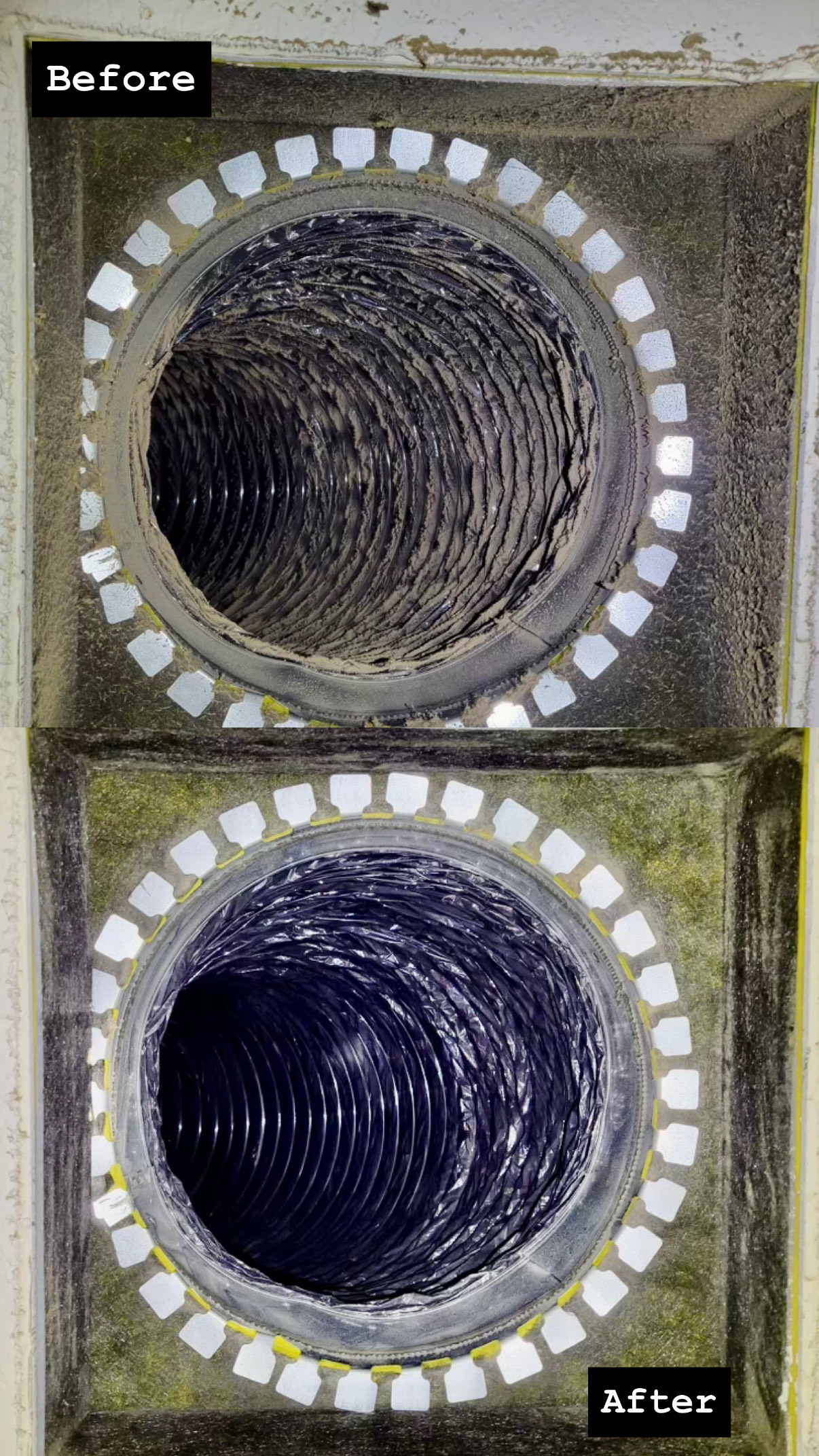
Anyone comparing dryer vent cleaning Chicago options should look past price alone. Good service comes from careful inspection, full-path cleaning, and proof that airflow has actually improved.
- Full inspection of the vent line, connection points, and outside exit
- Cleaning that reaches the entire route, not only the section behind the dryer
- Experience with older Chicago homes and longer vent runs
- Exterior vent check to confirm stronger airflow after service
- Clear pricing and a plain explanation of what is included
What Apartment Owners and Managers Should Ask Before Booking a Service?
Before booking, ask these key questions:
- Ask how access to each unit, laundry area, or vent location will be coordinated.
- Request a clear explanation of what the service includes, especially whether the full vent path will be cleaned.
- Confirm whether the provider can handle multiple units or recurring maintenance schedules.
- Check what kind of documentation or service records will be provided after the work is done.
- Ask how visible safety concerns, blockages, or damaged vent components will be reported.
- Review expected turnaround time so the work does not disrupt residents more than necessary.
- Clarify pricing in advance, including whether inspection, cleaning, and follow-up recommendations are included.
Conclusion – Stay Ahead of Dryer Vent Problems Before They Become Costly
Small warning signs rarely stay small for long. Longer cycles, extra heat, damp clothes, and visible lint all suggest it is time to act before performance drops further. Cleaning Wizard serves homeowners and property managers with dryer vent services as well as related air duct and HVAC cleaning Chicago.

For the next 30 days, we are also offering a Spring Deal with $100 off Air Duct Cleaning or combo services that include Air Duct + Dryer Vent Cleaning.
Need a local team that can address the issue before it turns into a bigger problem?
Request a free estimate from the Cleaning Wizard and get professional support for dryer vent cleaning Chicago and broader airflow-related concerns today!
Conclusion: Stay Ahead of Dryer Vent Problems Before They Become Costly
Need a local team that can address the issue before it turns into a bigger problem? Cleaning Wizard is one option to consider for dryer vent cleaning Chicago service and broader airflow-related support.
FAQs
1) How often should dryer vents be cleaned in Chicago homes?
At least once a year. Frequency depends on laundry volume, pets, vent length, and how quickly lint builds up. Heavy-use homes usually need more regular service.
2) What are the first signs that a dryer vent is clogged?
Longer drying times, extra heat in the room, damp clothes, weak airflow outside, and lint appearing around the connection are common early signs.
3) Who offers reliable dryer vent cleaning in Chicago for apartment buildings or property managers?
Look for a provider with multifamily experience, clear reporting, and full vent-path service rather than a quick surface-only visit.
4) Can a clogged dryer vent increase fire risk?
Yes. Lint is flammable, and trapped heat can raise that risk over time.
5) Is dryer vent cleaning different from HVAC cleaning Chicago?
Yes. Dryer vent service targets the exhaust line, while HVAC cleaning work focuses on heating and cooling system components.

Leave A Comment
You must be <a href="https://cleaningwizard.org/wp-login.php?redirect_to=https%3A%2F%2Fcleaningwizard.org%2F2026%2F04%2F15%2F7-warning-signs-your-dryer-vent-is-not-working-efficiently-in-chicago-homes%2F">logged in</a> to post a comment.