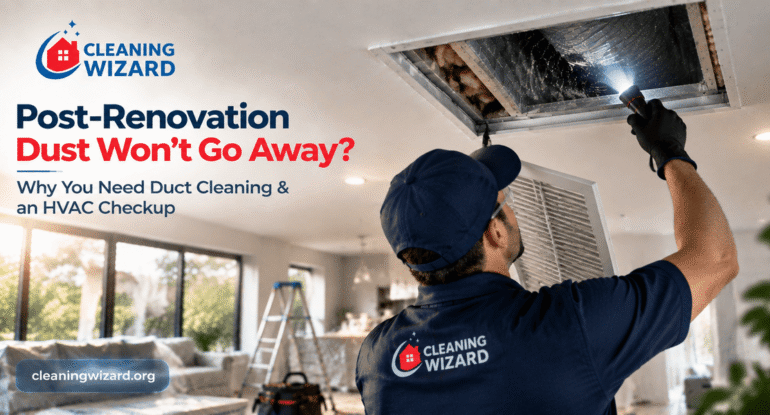
Post-Renovation Dust Won’t Go Away? Why You Need Duct Cleaning & an HVAC Checkup
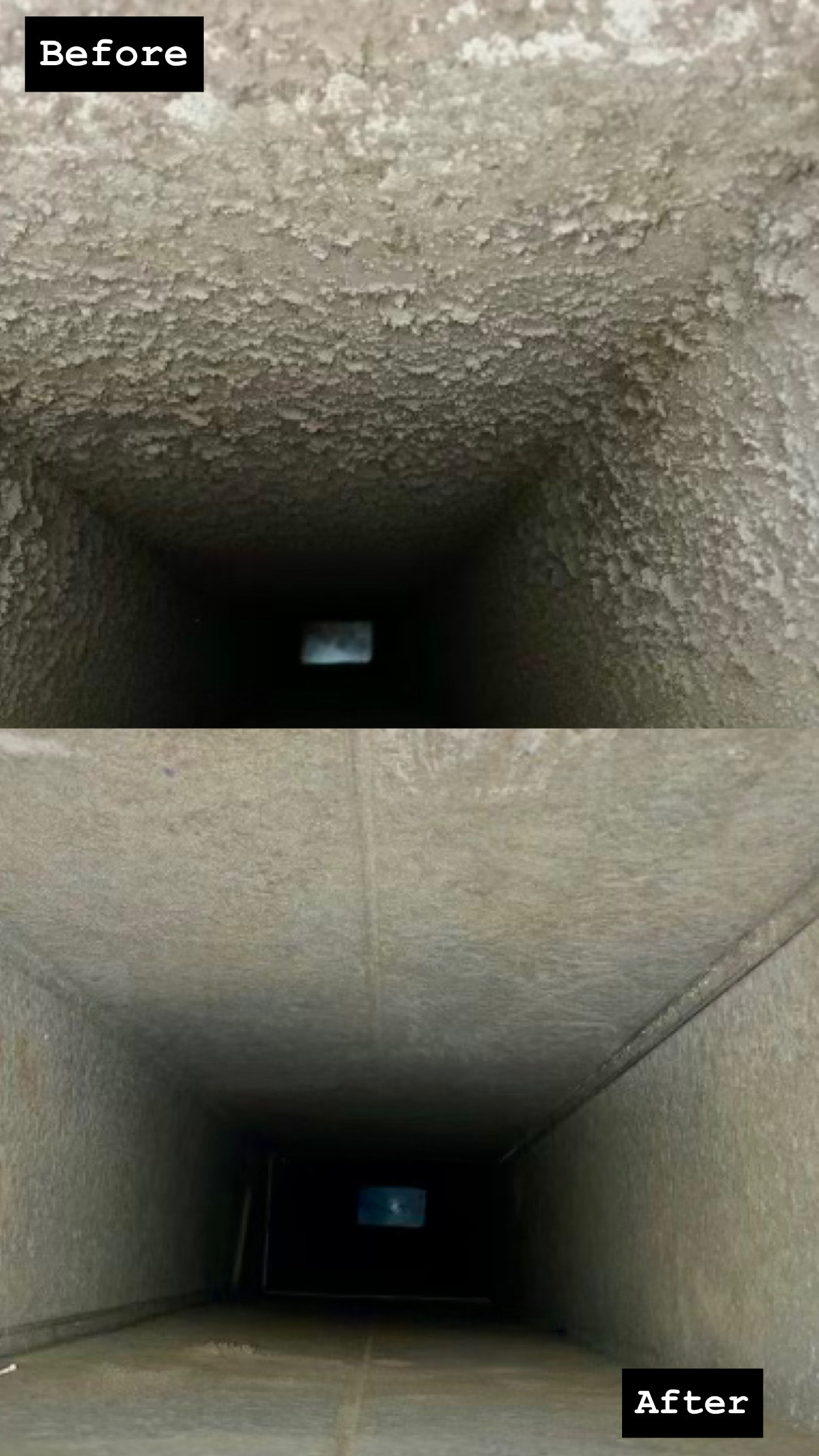
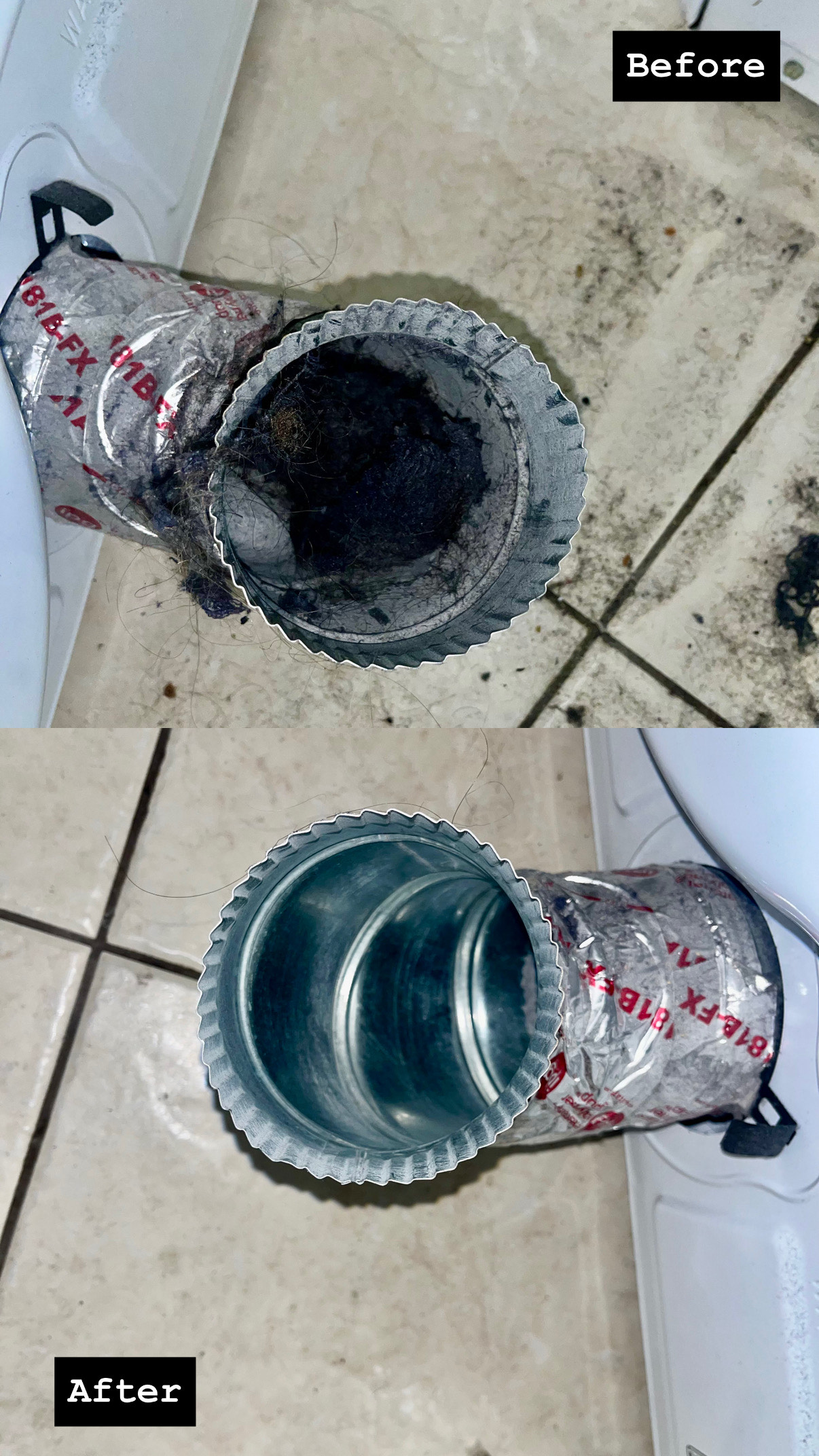
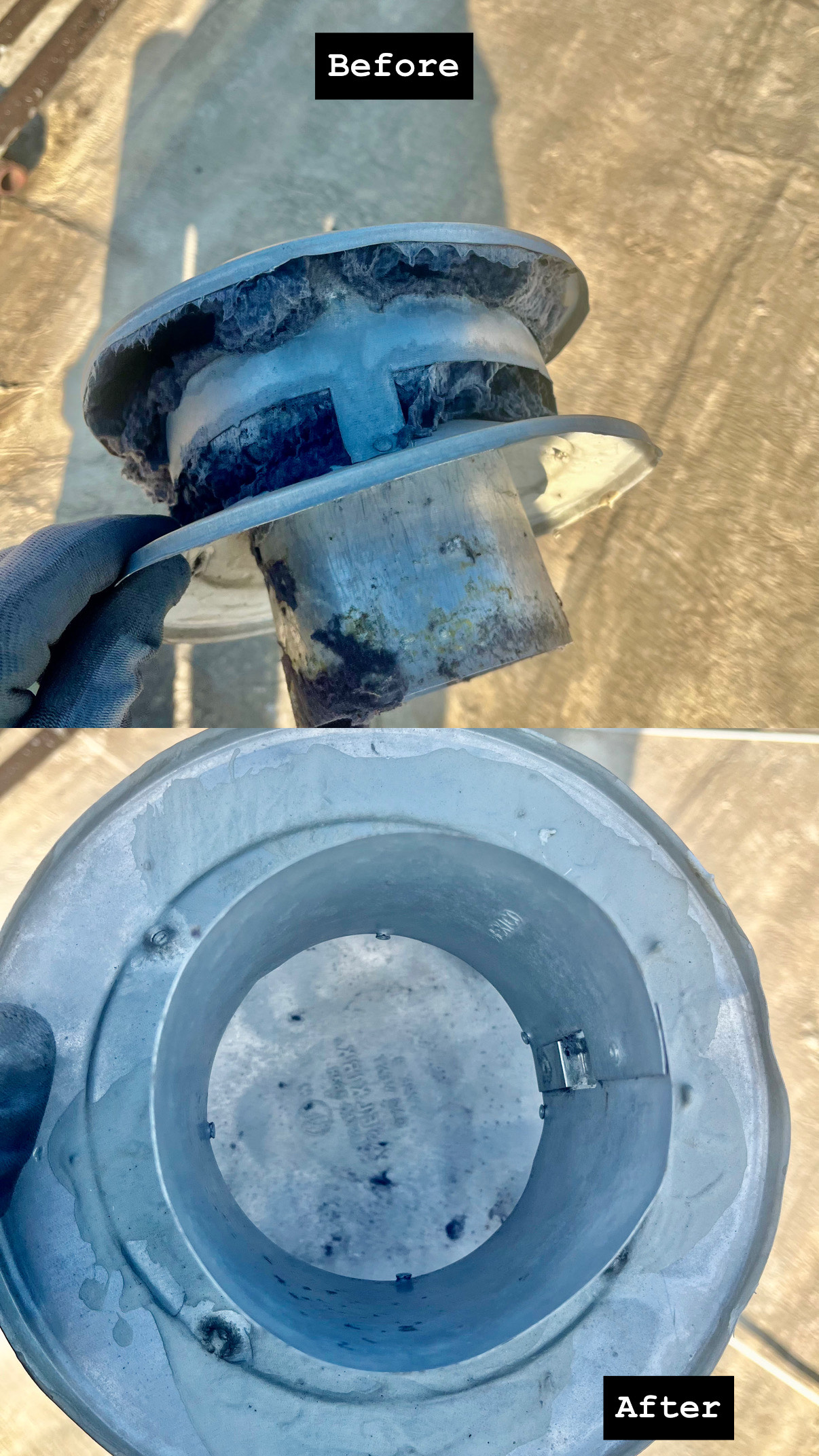
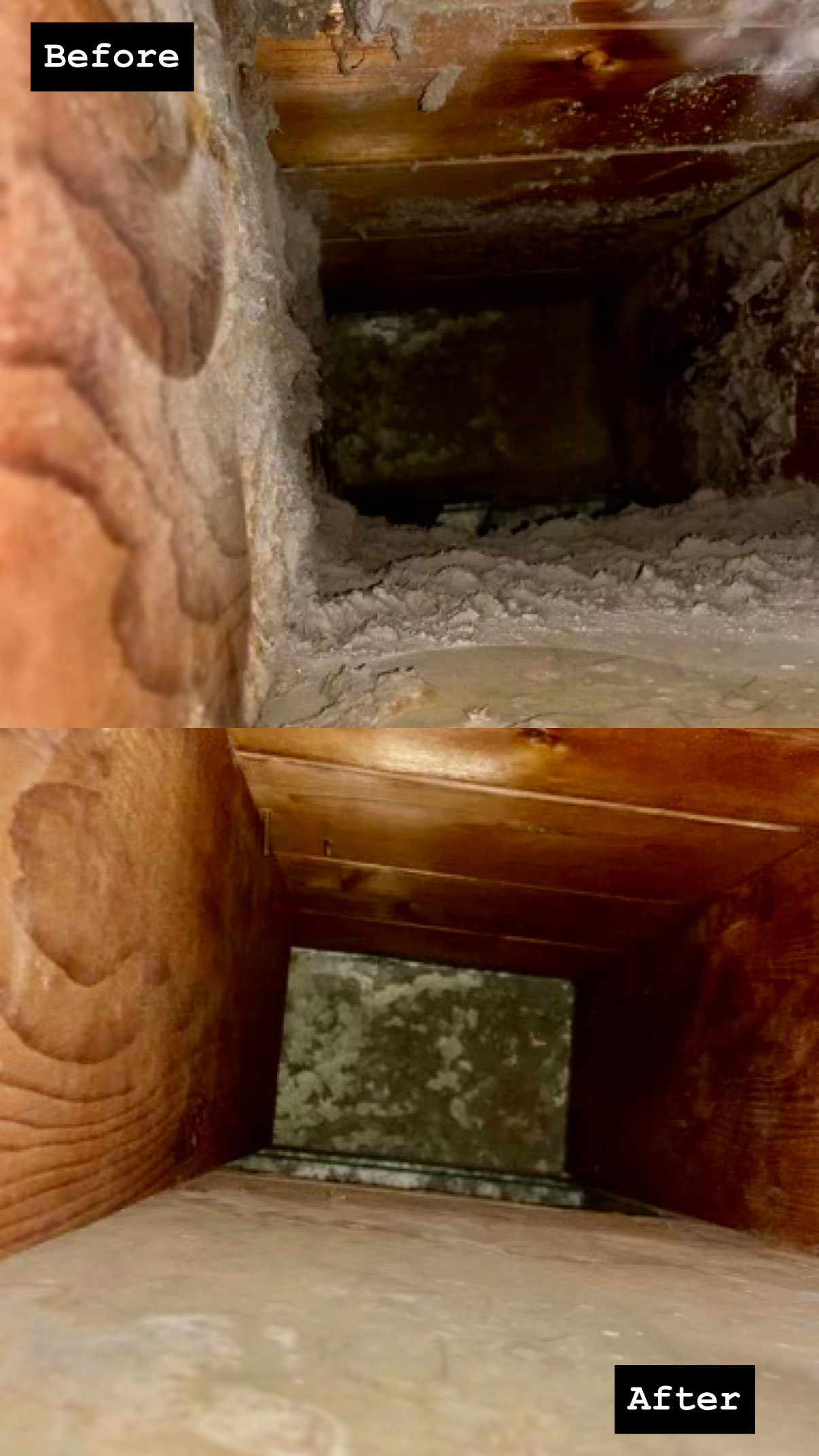
The dust settles, and the dream remodel is finally complete. But a lingering nightmare remains. A fine layer of white powder continuously coats surfaces, no matter how much scrubbing takes place. This drywall debris is notorious for infiltrating ventilation systems. The simple truth is that standard vacuums cannot fix this issue. Ignoring the problem leads to restricted airflow, damaged components, and the inevitable need for costly HVAC Repair.
Expert intervention is required to extract microscopic particles from deep within the ductwork. Cleaning Wizard has seen how renovations compromise indoor air quality without proper remediation. The system circulates these contaminants back into the living space daily. Plus, this constant strain shortens the lifespan of the equipment. In this guide, expect to learn about the hidden dangers of construction dust, system distress signs, and why an immediate inspection is crucial.
What Invisible Threats Are Lurking in Your Vents?
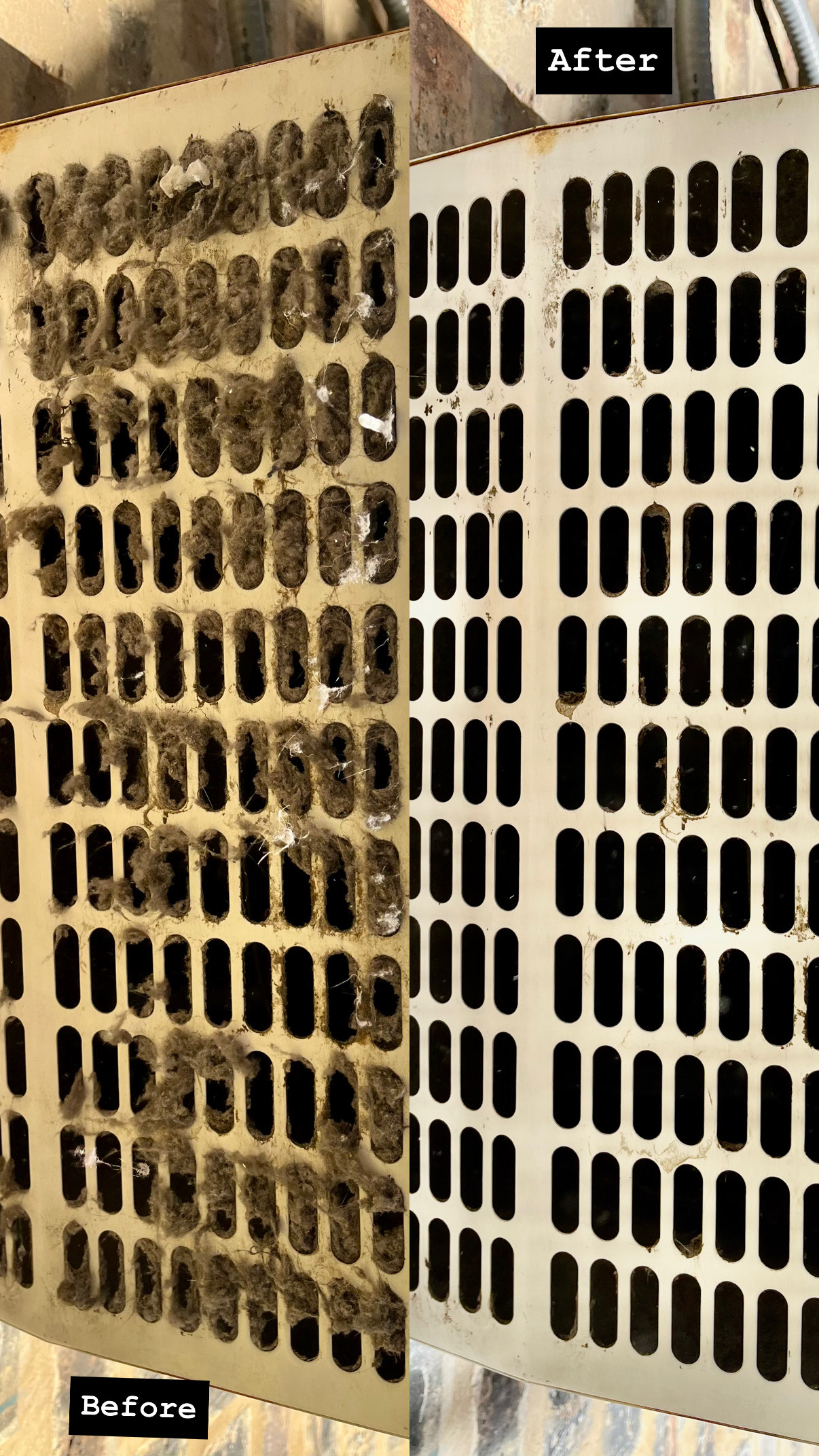
Homeowners often search for how to remove fine drywall dust from air without damaging their expensive equipment. The thing is, construction dust is completely different from normal household dust. It consists of microscopic particles of silica, sawdust, and drywall joint compound. These are highly abrasive materials.
They easily bypass standard furnace filters. They settle directly into the blower motor and delicate internal coils. Renovations are chaotic. And while contractors do their best to seal off work zones with plastic sheeting, microscopic particles always find a way to escape.
The return vents act like giant vacuums in the home. They suck the contaminated air directly into the heart of the climate control system. A beautiful bathroom or kitchen remodel can quickly turn into a massive air quality disaster if the vents are left unprotected during the heavy demolition phase.
Here is what happens when raw construction debris enters the system-
- Standard filters clog completely within days, choking the system and starving it of return air.
- Microscopic silica dust acts like heavy-duty sandpaper on moving mechanical parts.
- Airflow drops significantly, forcing the entire unit to work overtime just to push conditioned air.
- Utility bills spike sharply as overall energy efficiency plummets drastically.
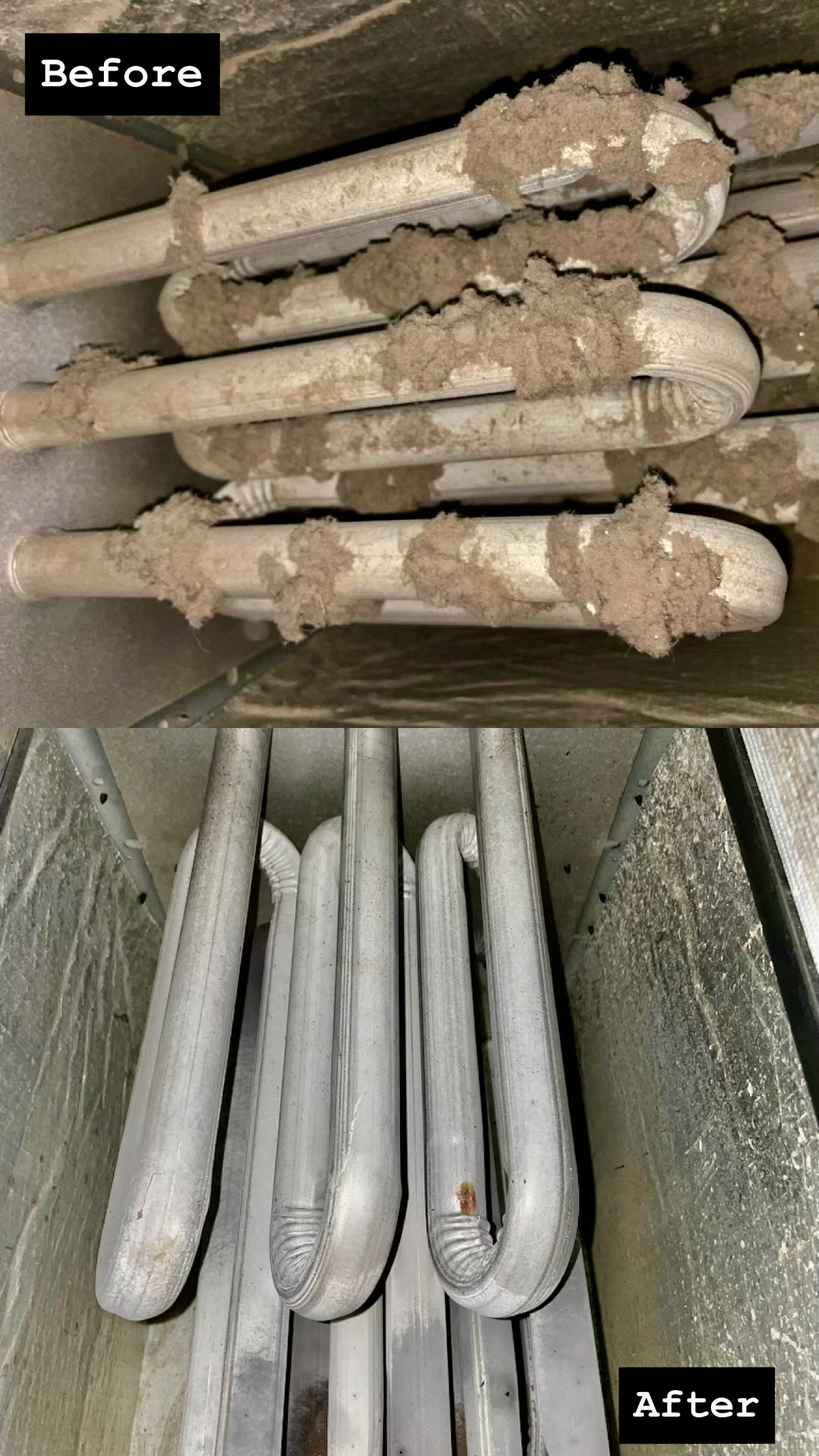
- Moisture in the air mixes with drywall dust, creating a cement-like paste on the internal coils.
And the worst part? Breathing in fine silica dust is a known health hazard. It aggravates asthma and triggers severe allergies. The microscopic nature of this specific debris allows it to remain airborne for hours.
Did you know? A standard residential heating and cooling system circulates indoor air up to seven times a day, meaning construction dust continuously re-contaminates a home unless the ductwork is professionally sanitized.
Why is Specialized Heating and Cooling Repair Crucial?
People frequently ask, does renovation dust ruin HVAC systems completely? The short answer is yes, if left untreated. DIY solutions simply do not work for heavily contaminated ventilation systems.
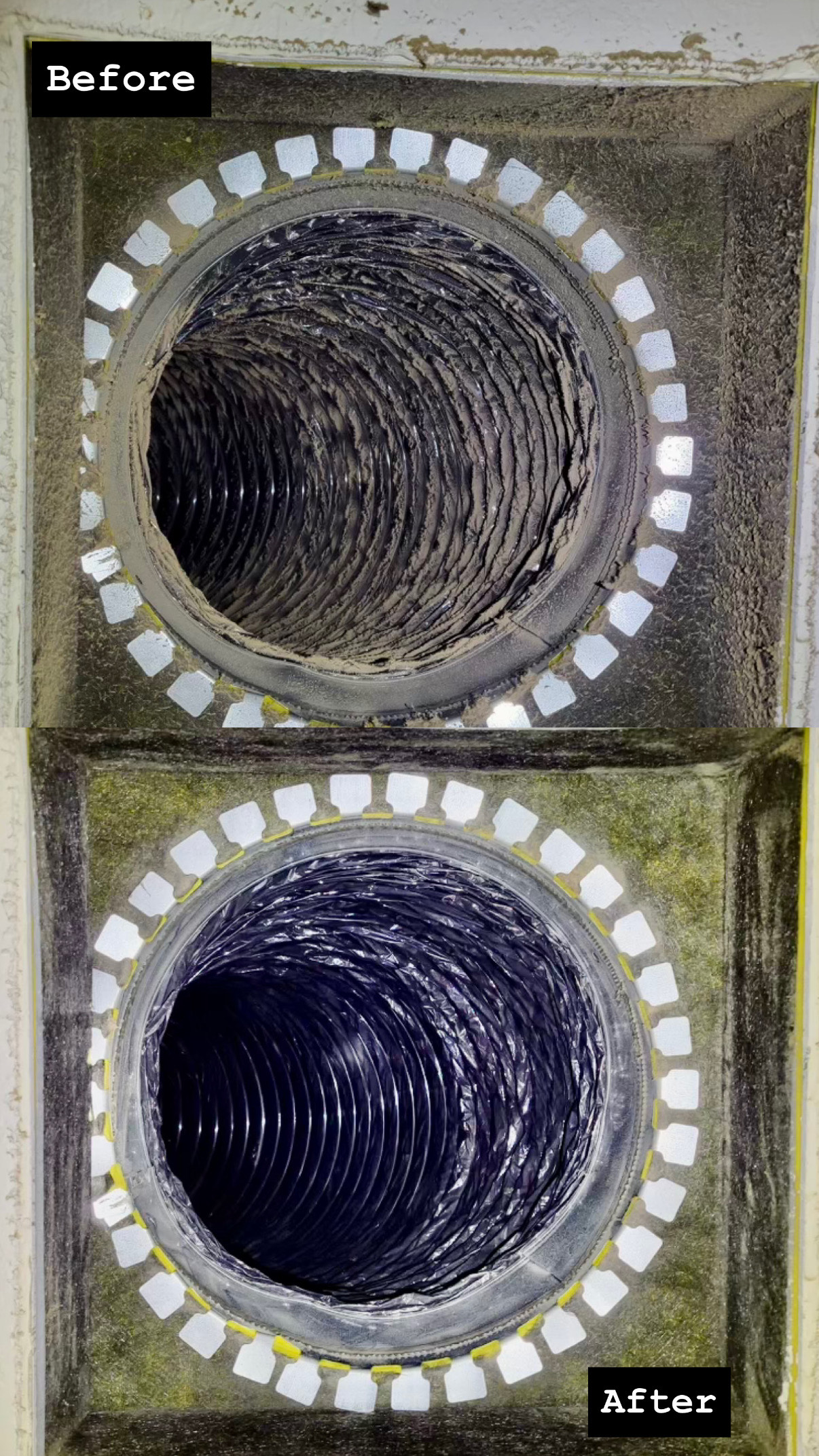
Household vacuums completely lack the extreme negative pressure required to pull dense, heavy debris from thirty feet of winding ductwork. Plus, sticking consumer-grade brushes into delicate vents often causes permanent damage. It easily rips the flexible ducting material hidden right behind the drywall.
Here’s why expert intervention remains the only viable and safe solution-
- Technicians utilize high-powered negative air machines to create an unbreakable vacuum seal.
- Industrial, compressed-air whips safely dislodge caked-on drywall mud without tearing the inner Mylar layers.
- Experts meticulously inspect the delicate evaporator coil for hazardous, restrictive buildup that homeowners cannot reach.
- Refrigerant levels, electrical connections, and system pressures get accurately and thoroughly tested.
- Specialized air tools flush out the smallest crevices of the highly sensitive heat exchanger.
Attempting to clean the complex blower motor without specialized factory training usually voids strict manufacturer warranties. Without this deep, professional cleaning, the grit slowly grinds down the bearings. This always forces the need for immediate Professional HVAC Repair.
Trusting seasoned technicians ensures the system is thoroughly sanitized without risking expensive structural damage. Improper cleaning methods just push the dust further back into the main trunk line, only to be blown out again later.
What Signs Require Immediate HVAC Repair?
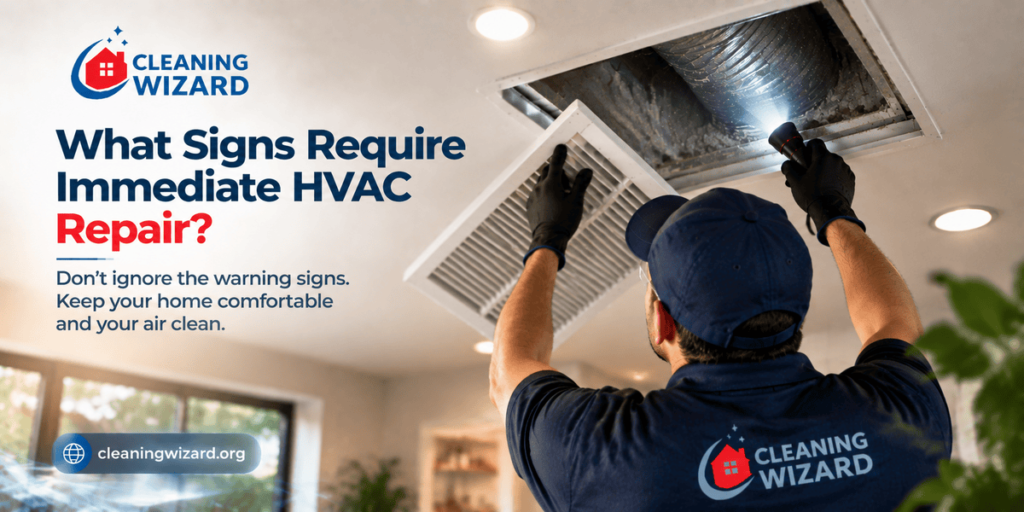
Waiting for a total system failure is a massive financial mistake. Early intervention strictly prevents catastrophic breakdowns. After a major home renovation, the system gives very specific warning signs that it is struggling to operate normally.
Recognizing the early signs you need AC repair after remodeling often means the difference between a simple, inexpensive tune-up and a complete system replacement. The delicate sensors inside modern climate control units are highly susceptible to dust interference. When the flame sensor or limit switch becomes coated in fine debris, the unit will repeatedly shut itself down. A built-in safety precaution.
Pay extremely close attention to these critical indicators-
- Loud grinding or squealing noises emanating directly from the internal blower motor compartment.
- An unexplained, massive spike in monthly energy bills despite perfectly normal usage patterns.
- Uneven temperatures across different rooms, indicating severe and dangerous airflow blockages.
- A persistent, acrid burning smell when the heater turns on, caused by frying drywall dust.
- Constant cycling on and off, known as short-cycling, which destroys compressors rapidly.
The ultimate goal is to address the strain before mechanical components snap under the immense pressure. If the system struggles to push air, a professional assessment is absolutely non-negotiable. Waiting even a few weeks can easily result in permanent mechanical damage. This negligence leads to a massive spike in emergency HVAC Repair calls during extreme weather.
Step-by-Step Checklist for Post-Renovation Air Quality
Restoring the home requires a highly systematic and disciplined approach. Following a strict post construction HVAC cleaning checklist guarantees that the indoor air remains safe, clean, and healthy to breathe.
Missing even one of these crucial steps guarantees serious trouble. Fine white powder will simply continue settling on the newly purchased furniture and expensive flooring for months on end.
Here is the expert step-by-step checklist for reclaiming the newly remodeled home-
- Shut down the system entirely- Never run the air conditioner or furnace while active sanding, cutting, or sweeping is happening.
- Seal all supply and return vents- Tape heavy plastic sheeting over the registers in the active construction zones to block falling debris.
- Upgrade the filter immediately post-remodel- Discard the clogged, dust-filled filter and install a high-MERV replacement before turning the unit back on.
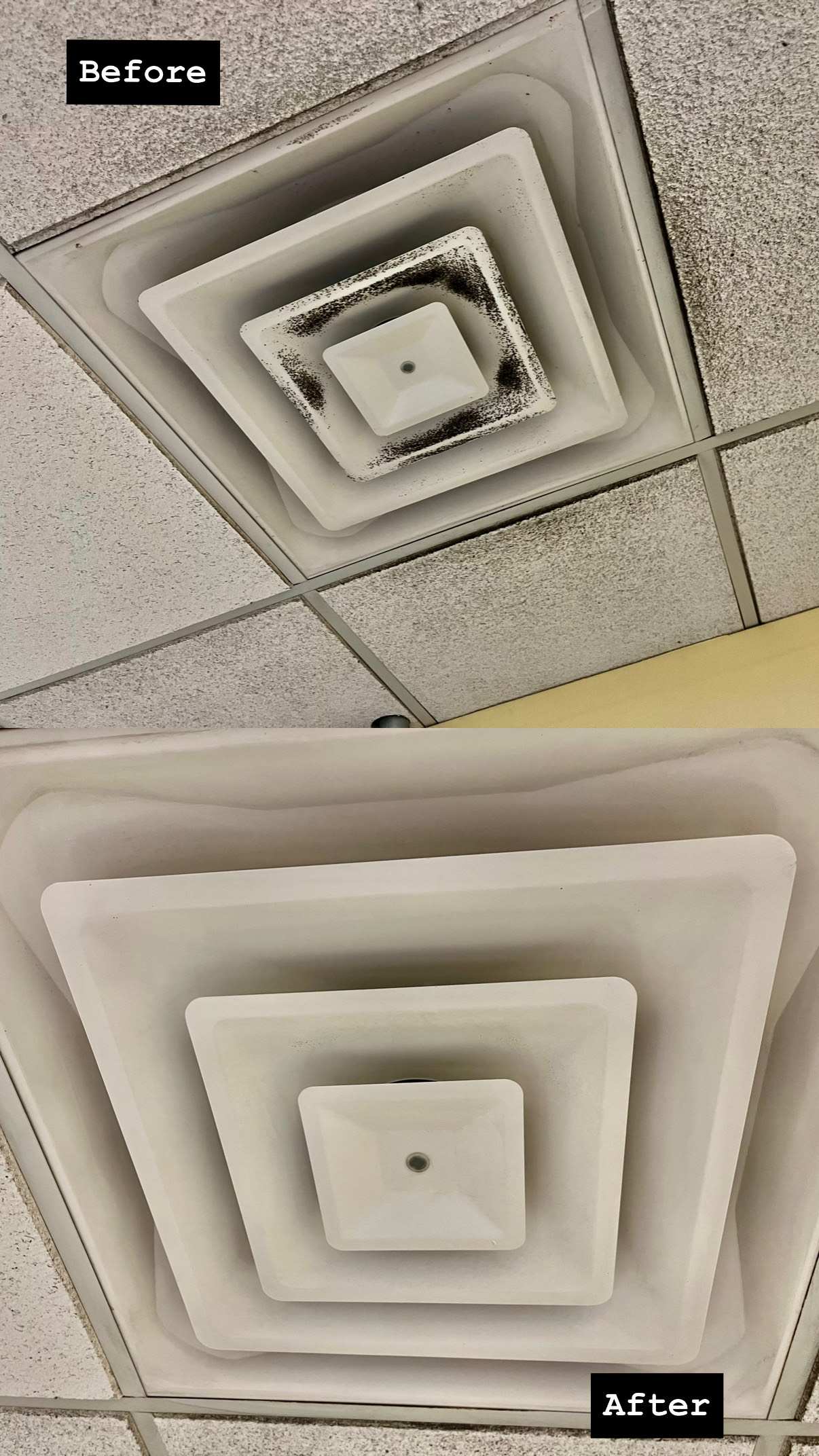
- Wipe down all exterior supply registers- Carefully remove the metal or plastic vent covers and clean them thoroughly with a damp microfiber cloth.
- Schedule negative-pressure duct cleaning- Call an expert to forcefully extract the deep-seated debris that easily bypassed the initial defenses.
- Book a comprehensive equipment checkup- Have a certified technician clean the blower wheel, clear the condensate drain, and carefully wash the internal evaporator coil.
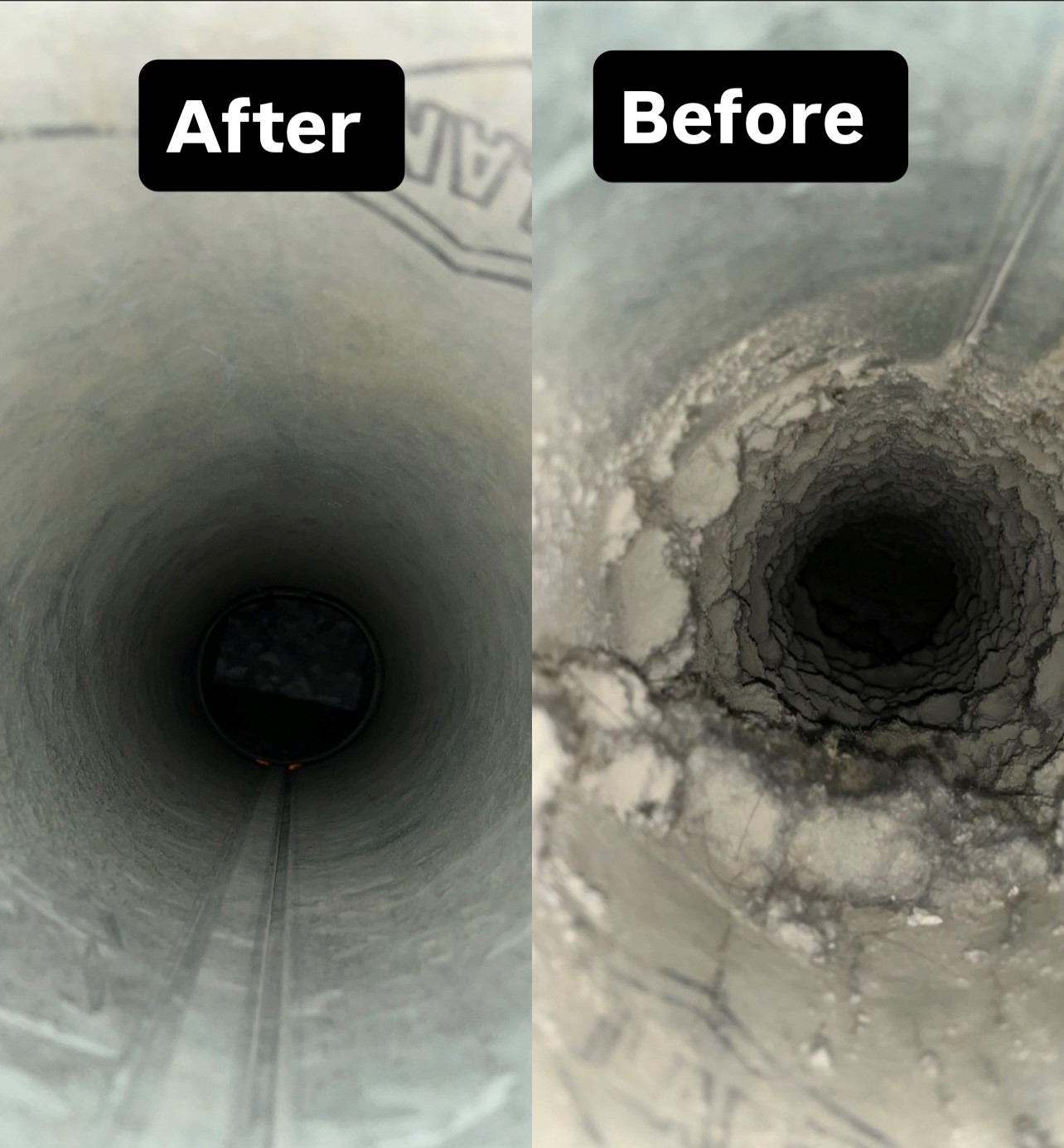
The longer the dust stays resting in the deep ducts, the harder it becomes to completely remove. Moisture in the air turns drywall dust into a hard paste that permanently sticks to the metal walls.
How Can You Secure Long-Term System Health?
Reactive fixes are always significantly more expensive than proactive, scheduled care. Once the visible dust is finally gone, the intricate internal system still needs careful mechanical calibration.
Understanding the importance of HVAC maintenance after renovation provides essential long-term stability. The process goes far beyond just removing loose dirt from the visible surface. A heavily strained motor operates highly inefficiently. It quietly drives up electricity costs month after month without anyone noticing until the shocking bill arrives.
Securing comprehensive HVAC Maintenance Services actively protects the financial investment of the climate control system.
- Moving mechanical parts get properly and thoroughly lubricated to reduce damaging friction.
- Thermostats are completely recalibrated for precise, accurate temperature control across all household zones.
- Electrical connections get heavily tightened to prevent dangerous shorts or sudden arc faults.
- System voltage and total amperage are carefully checked to ensure optimal, peak performance.
- The delicate condensate drain line is chemically flushed to prevent future water damage and black mold growth.
Ignoring these final calibration steps often leads to sudden, catastrophic breakdowns. Leaving property owners scrambling for an emergency AC Repair Service when the severe weather hits. It dramatically extends the functional life of the unit. A little professional prevention goes a remarkably long way in preserving both pure comfort and premium air quality.
Which Communities Does Cleaning Wizard Serve?
Finding reliable experts to handle heavy-duty post-renovation cleaning is essential for protecting the property. Cleaning Wizard deploys specialized, highly trained technicians across a wide territory. Ensuring newly remodeled homes remain safe, clean, and perfectly comfortable.
Here are the primary regions covered by these specialized restoration services-
- Chicago
- Naperville
- Schaumburg
- Elmhurst
- Evanston
- Hinsdale
- Romeoville
- Oakbrook
- Highland Park
- Crystal Lake
- Milwaukee
Residents in these distinct areas consistently rely on rapid response times to prevent construction debris from permanently destroying their climate control equipment.
Key Takeaways
- Construction dust contains highly abrasive silica that rapidly destroys internal ventilation components.
- Standard household vacuums completely lack the extreme pressure needed to extract dense debris from deep ductwork.
- Heavily clogged filters force internal blower motors to overwork, causing massive spikes in monthly energy bills.
- Professional extraction safely removes caked-on drywall dust without tearing delicate, flexible internal ducts.
- Immediate system inspections actively prevent minor airflow restrictions from turning into catastrophic mechanical failures.
Final Words
A stunning, expensive home remodel should never come at the hidden expense of healthy indoor air. Lingering drywall dust is not just a daily nuisance; it is an active, ongoing threat to internal ventilation equipment. Ignoring the clear signs of a struggling system guarantees a massive spike in utility bills and premature motor failure. Protecting this crucial home investment requires swift, professional extraction and detailed mechanical calibration.
Do not wait for the system to break down completely in the middle of a harsh season. Call Cleaning Wizard today to schedule a comprehensive duct sweep and expert HVAC Repair. Let the professionals clear the air, completely restore system efficiency, and bring true comfort back to the newly renovated space.
Frequently Asked Questions
How often should filters be changed after a renovation?
Change the system filter every two weeks until the indoor dust completely settles.
Can heavy drywall dust completely ruin a furnace?
Yes, drywall dust severely coats the internal motor and delicate sensors, causing overheating and failure.
Is it safe to clean air ducts without a professional?
No, DIY cleaning pushes dust deeper and heavily risks tearing the delicate flexible ductwork material.
Will professional duct cleaning remove all the remodeling dust?
Professional negative-pressure cleaning successfully extracts up to 99% of trapped construction debris from the system.
Does renovation dust actually cause the AC to freeze?
Yes, heavy dust blocks the evaporator coil, severely restricting vital airflow and causing the system to freeze.

Leave A Comment
You must be <a href="https://cleaningwizard.org/wp-login.php?redirect_to=https%3A%2F%2Fcleaningwizard.org%2F2026%2F09%2F24%2Fpost-renovation-dust-wont-go-away-why-you-need-duct-cleaning-an-hvac-checkup%2F">logged in</a> to post a comment.